Dayr al-Qasi
Our ancestral village in northern Palestine, northeast of Acre.
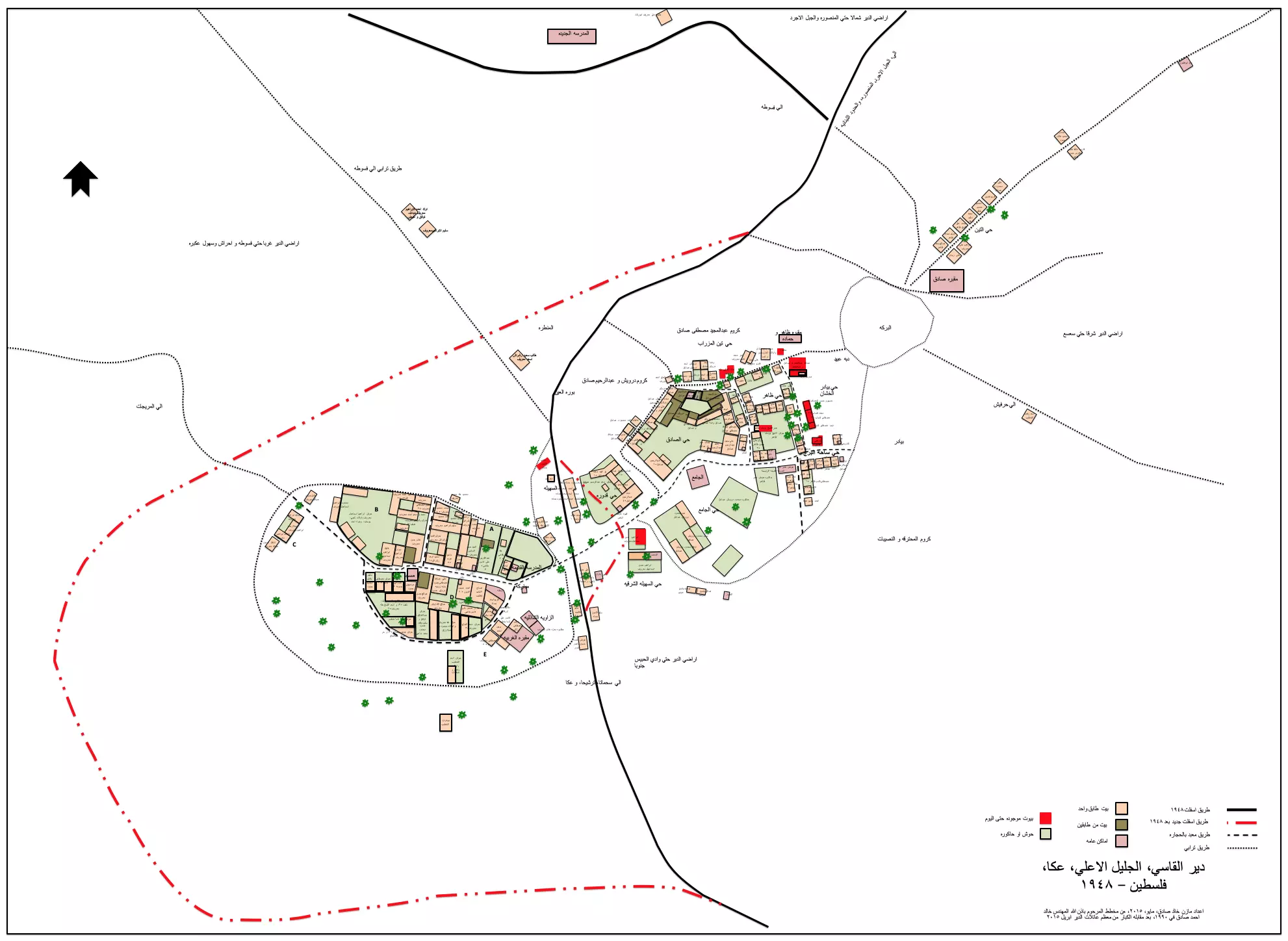
Dayr al-Qasi before 1948.
This map preserves the remembered layout of the village — its homes, families, roads and landmarks.
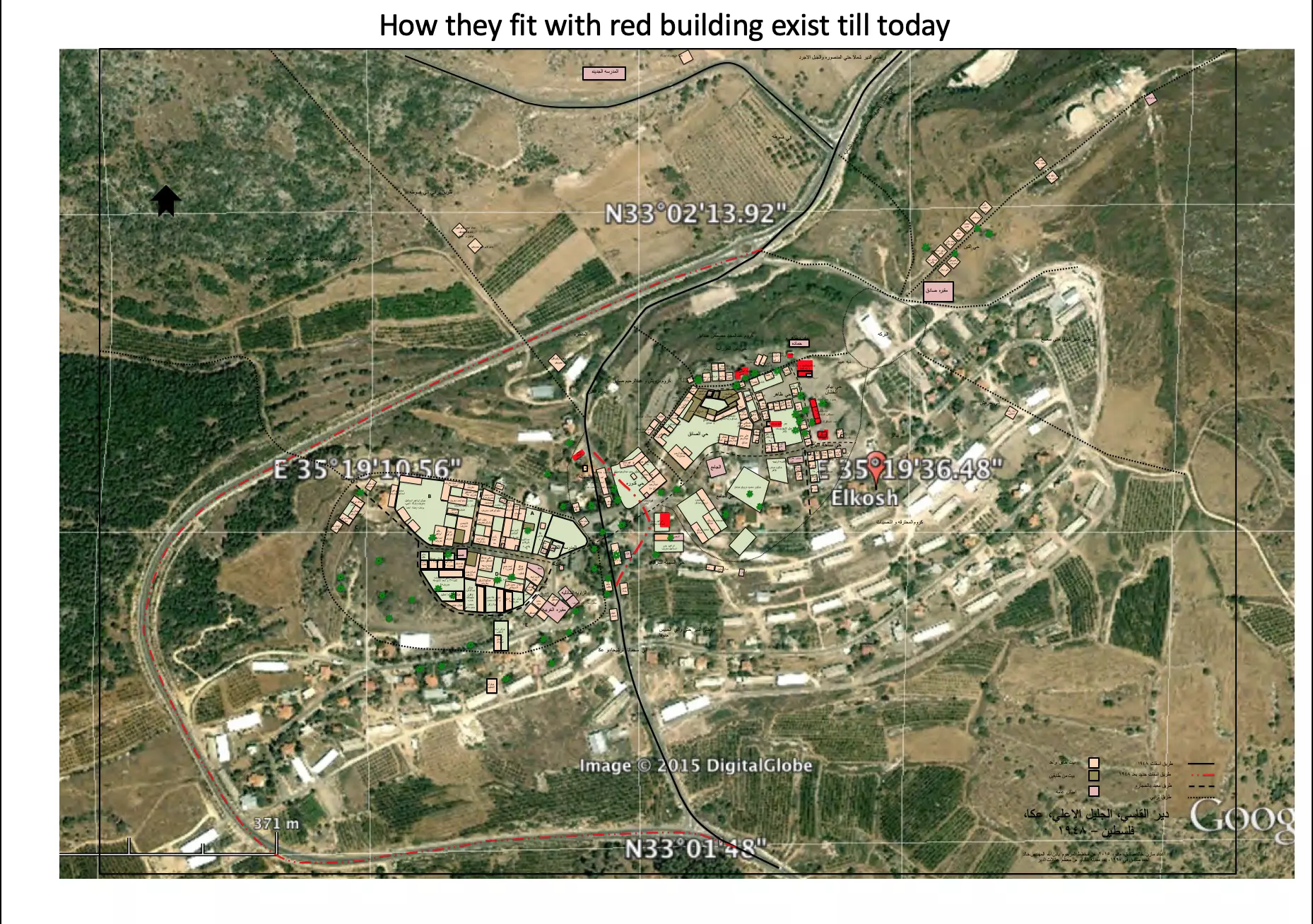
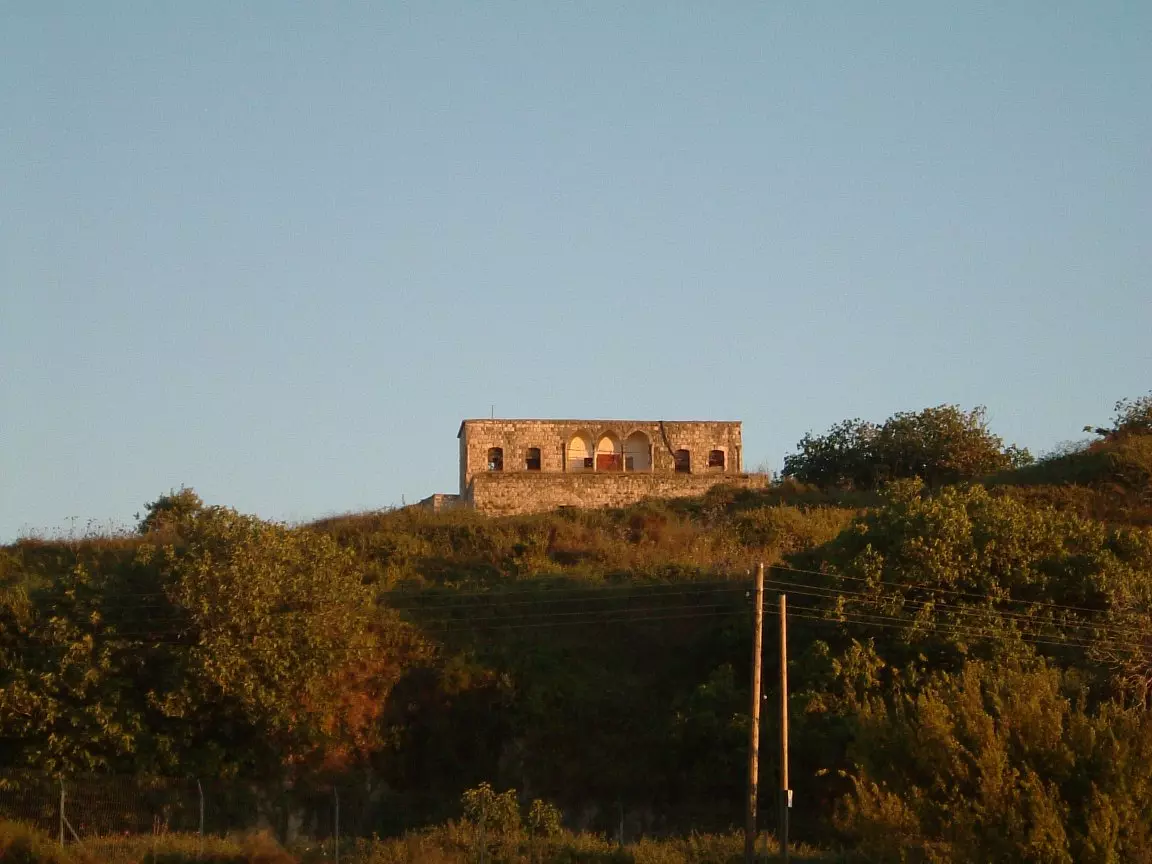
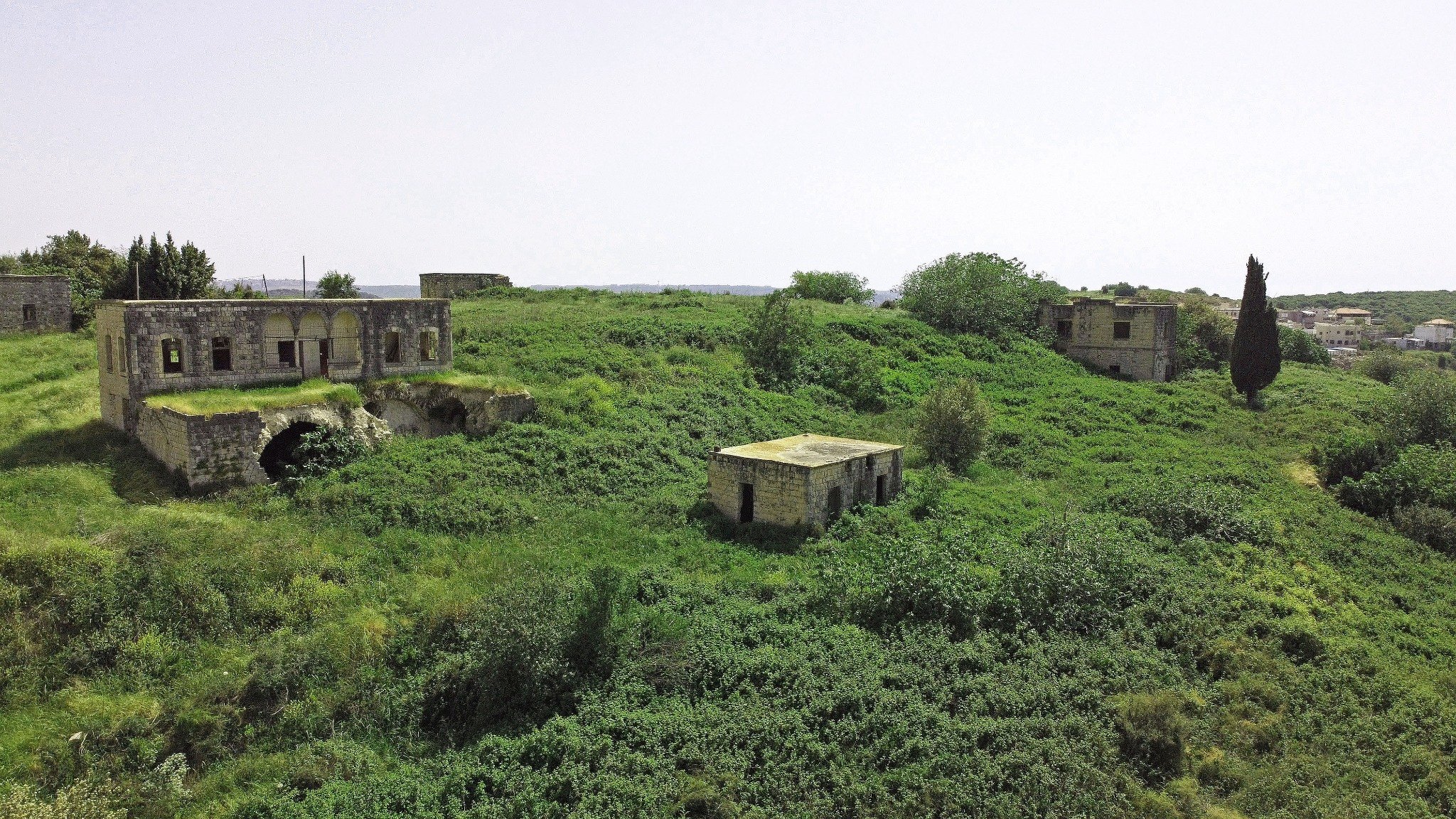
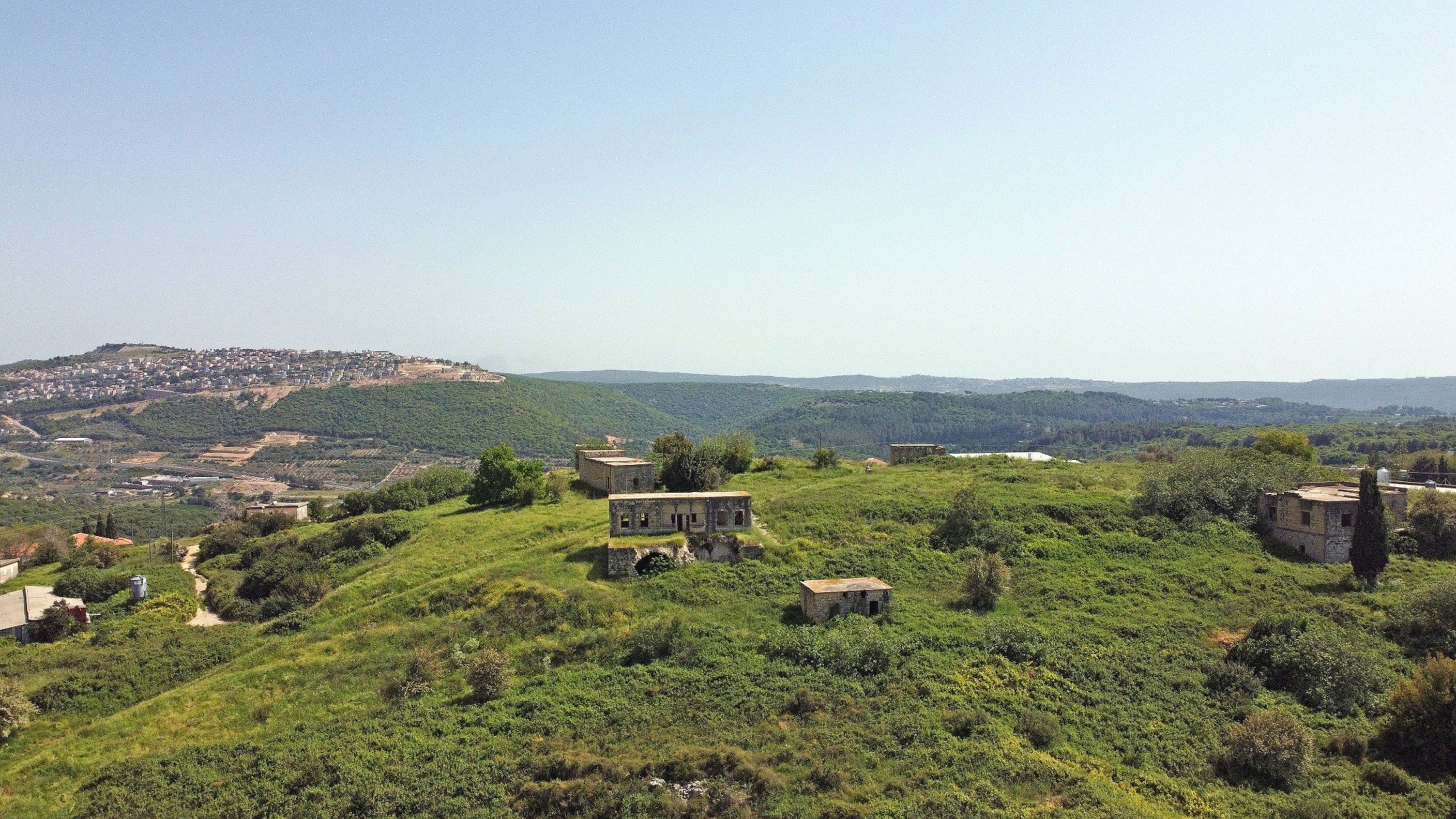
The village as it remains.
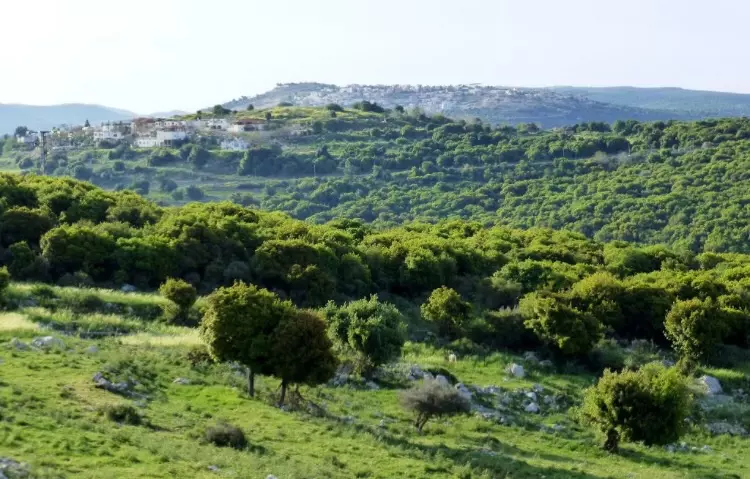
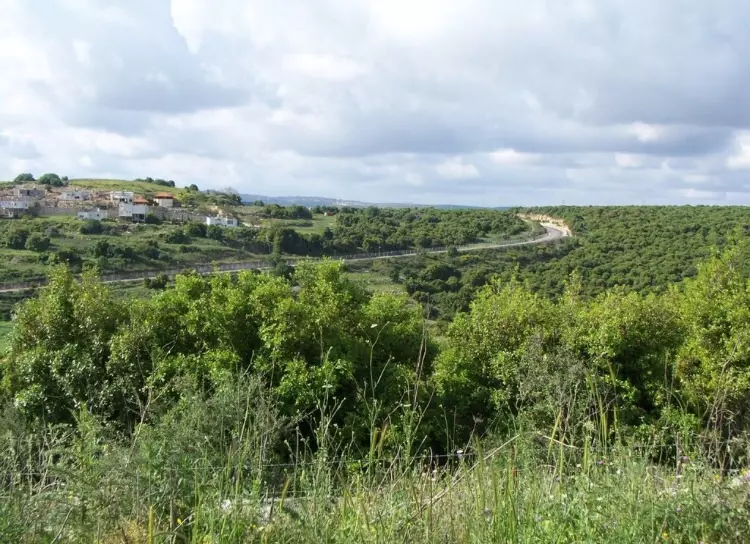
Dayr al-Qasi is more than one house or one family. These views keep the village itself — its hills, stone homes and surrounding landscape — at the center of this record.
Our village
Dayr al-Qasi — also written Deir el-Qasi and Dayr al-Qassi — was a Palestinian village approximately 26 km northeast of Acre.
In 1945, Dayr al-Qasi, together with Fassuta and al-Mansura, had a recorded population of 2,300 and a total land area of 34,011 dunums.
During the 1948 war, the village was defended by local forces and the Arab Liberation Army. Dayr al-Qasi was occupied during Operation Hiram on October 30, 1948. The remaining residents were expelled in May 1949, and many of the families went north toward Lebanon.
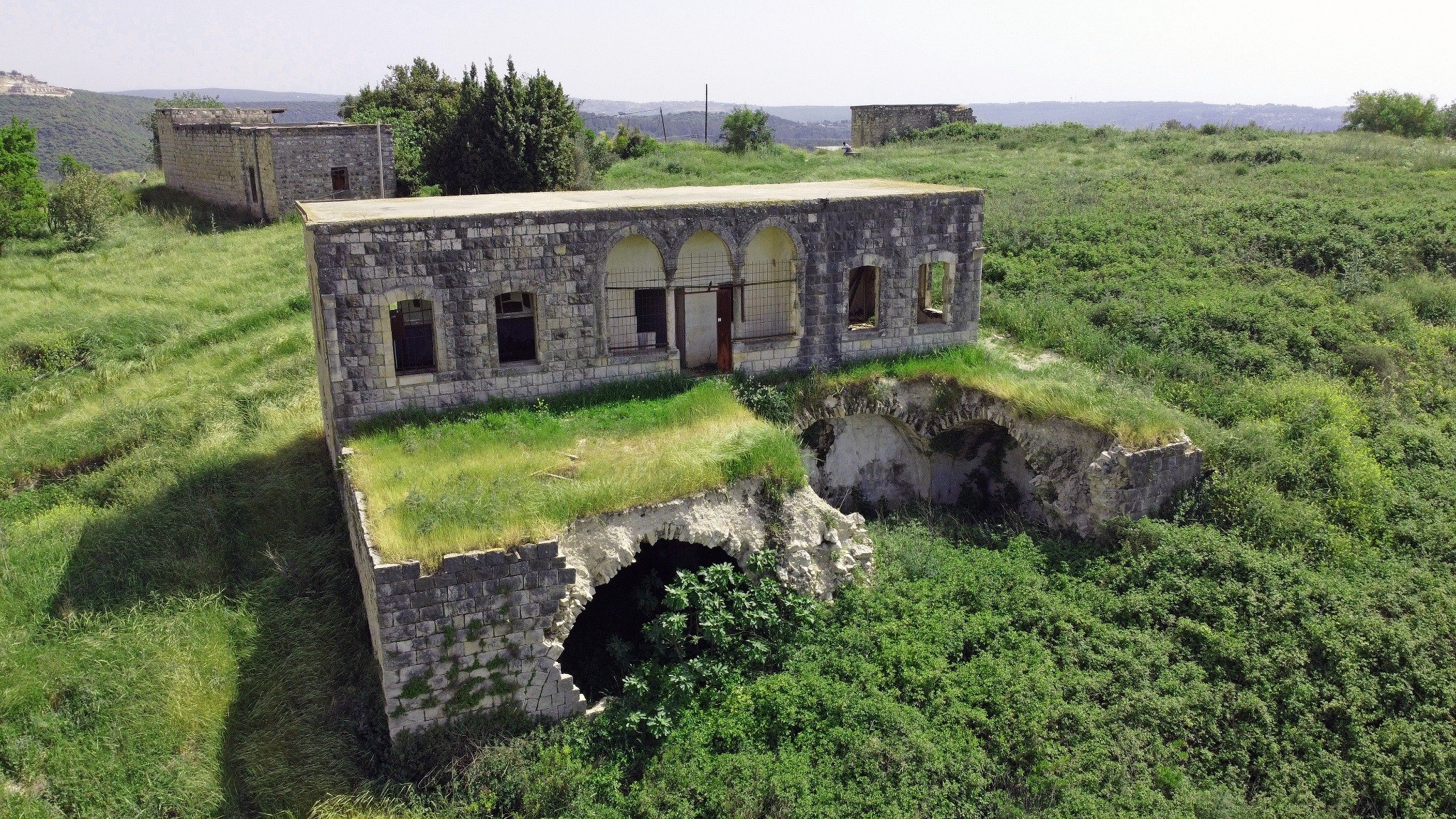
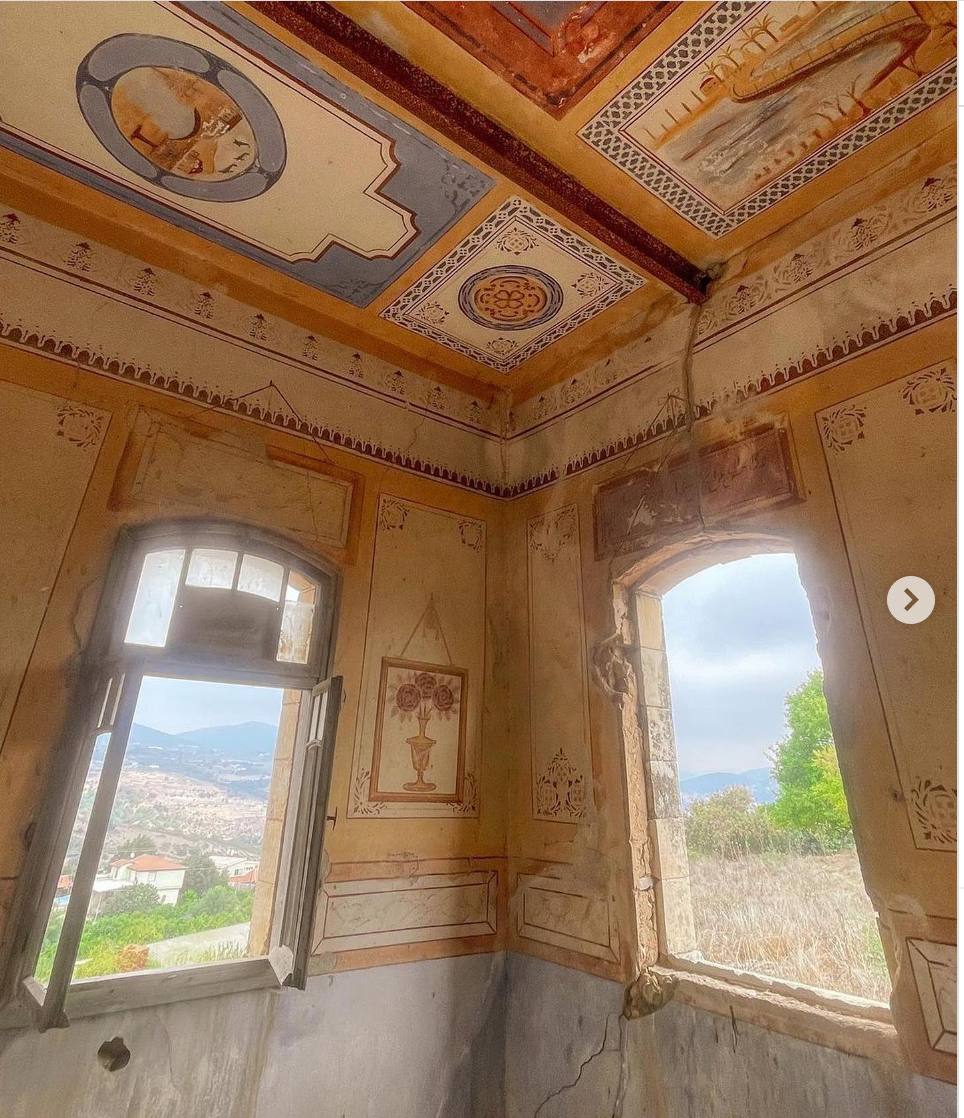
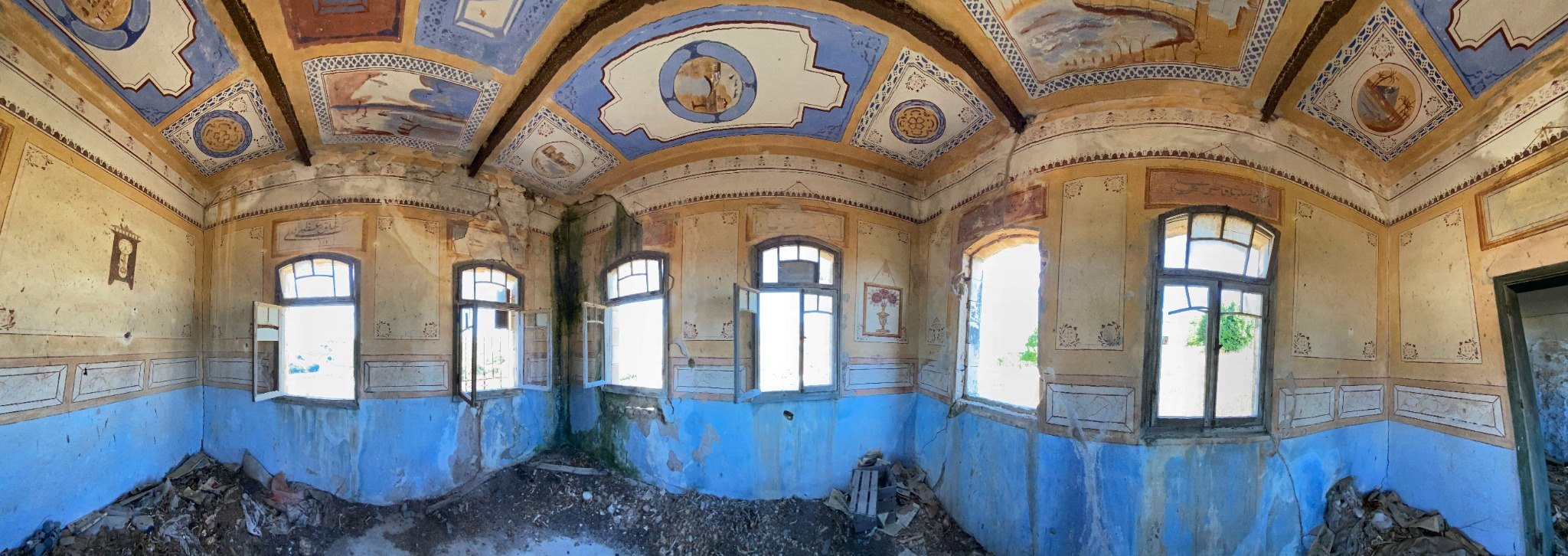
The home of Abdil Majid Abdullah is one of the Sadeq family homes in Dayr al-Qasi that still stands today. While much of the village was destroyed after 1948, the house has survived remarkably intact, including its distinctive painted walls and ceilings.
Over the years, Palestinians from around the world have made their way to Dayr al-Qasi and documented this house. Its beauty and remarkable survival have made it a place of memory and connection — a rare physical link to the village and to the lives that existed there before 1948.
For our family, it is something even more personal: a home that is still standing.
Dayr al-Qasi
| Occupation date | October 30, 1948 |
|---|---|
| Distance from Acre | Approximately 26 km northeast |
| Elevation | 675 meters above sea level |
| Military operation | Operation Hiram |
| Defenders | Local militia and the Arab Liberation Army |
| Refugee route | Many residents were pushed north toward Rumaysh in Lebanon. |
| Village clans / hamulas | Sadeq, Ma'arouf, Aoudi, Hamada, al-Khatib, al-Kassab, Ali-Al Bukkaee, Orfali, Hammoud, al-Sheikh Taha (Kassem), and al-Thahir (or Zahir), among others. |
| School | One elementary school for boys, founded during the British Mandate period. |
| Religious institutions | Two mosques; shrines associated with al-Shaykh Jawhar and Abu Halyun; and a zawiya for the al-Shadhiliyya Sufi brotherhood. |
| Water | Springs of al-Fassuta and al-Mansura, plus a pool collecting rainwater. |
| Settlements on village lands | Alkosh, Netu'a, Mattat and Abbirim. |
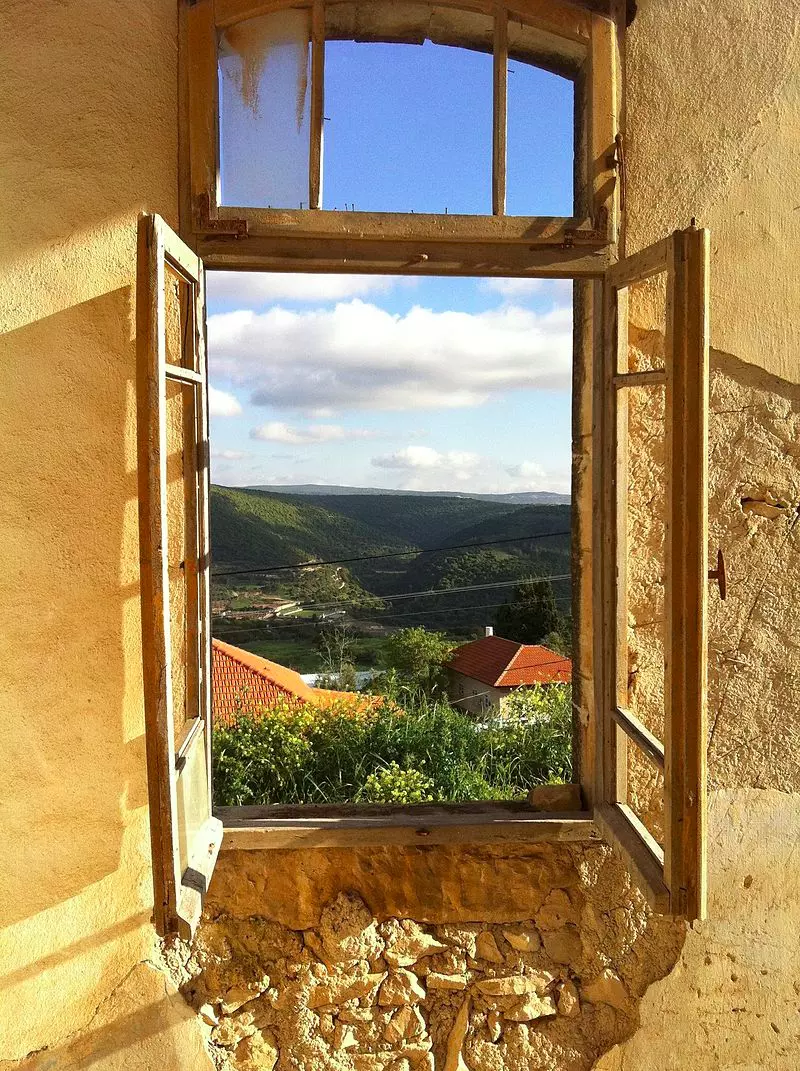
Dayr al-Qasi today.
A recent photographic record of the village, its landscape and surviving homes.
Photography by Tarek Barkri.
Palestine Remembered
For additional photographs, oral histories, historical records and information about Dayr al-Qasi.